New Patient Special Offer | Free Evaluation

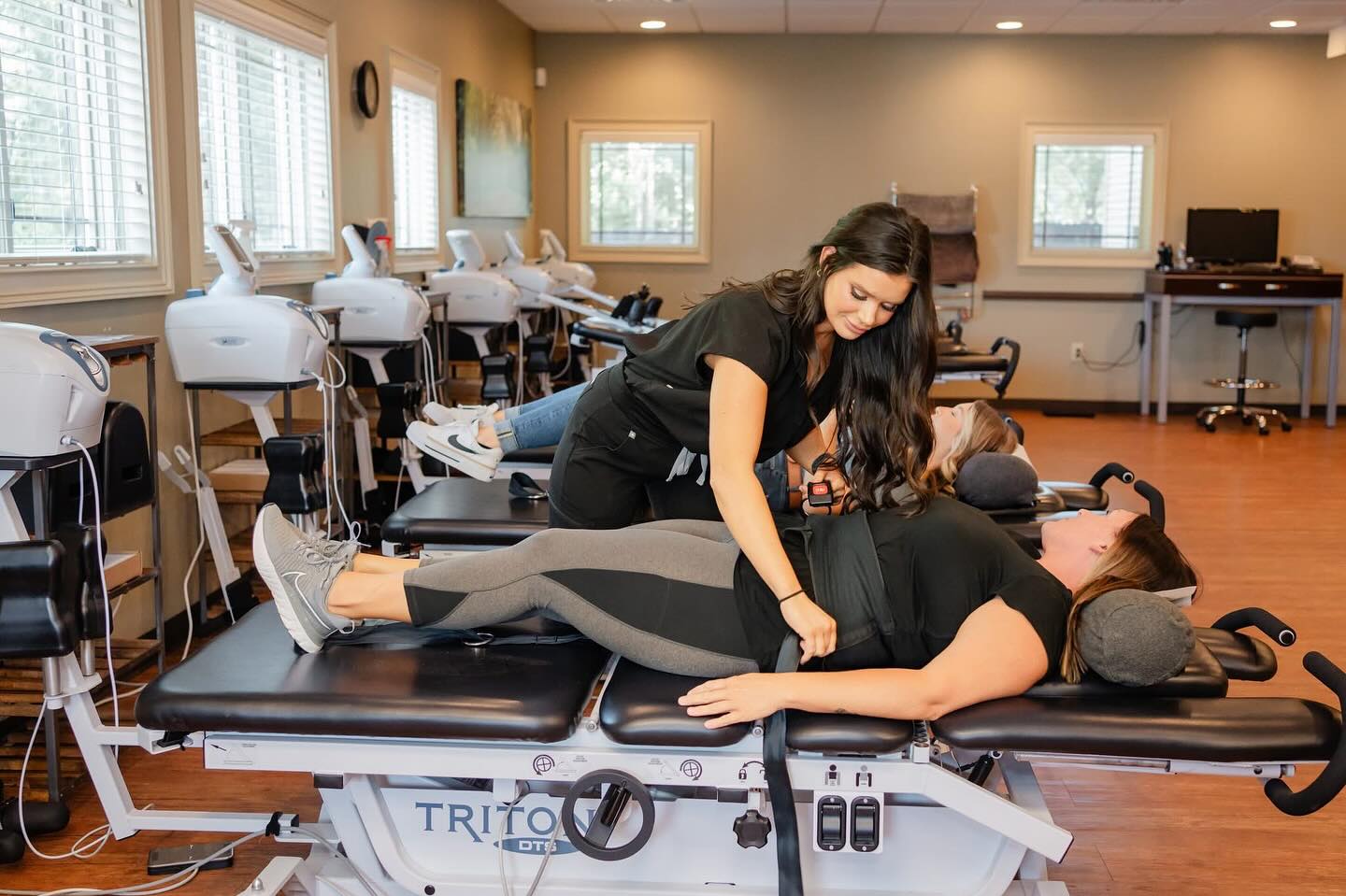
Spinal decompression and inversion tables both aim to take pressure off the spine, but they are not the same. Computerized spinal decompression is a guided, adjustable therapy that targets specific discs and is monitored by a chiropractor. An inversion table is a home device that uses gravity to stretch the whole spine at once. For patients with a herniated disc, a bulging disc, degenerative disc disease, or sciatica, we generally find that computerized spinal decompression offers more control, more precision, and a clearer path to lasting relief.
This article, explains how each option works, who each one may suit, and how we decide what to recommend.
Spinal decompression is a non-surgical therapy that gently relieves pressure on spinal discs and nerves. At Pray Chiropractic, we use computerized spinal decompression. It is one of our top services and a core part of our Three-Part Treatment System.
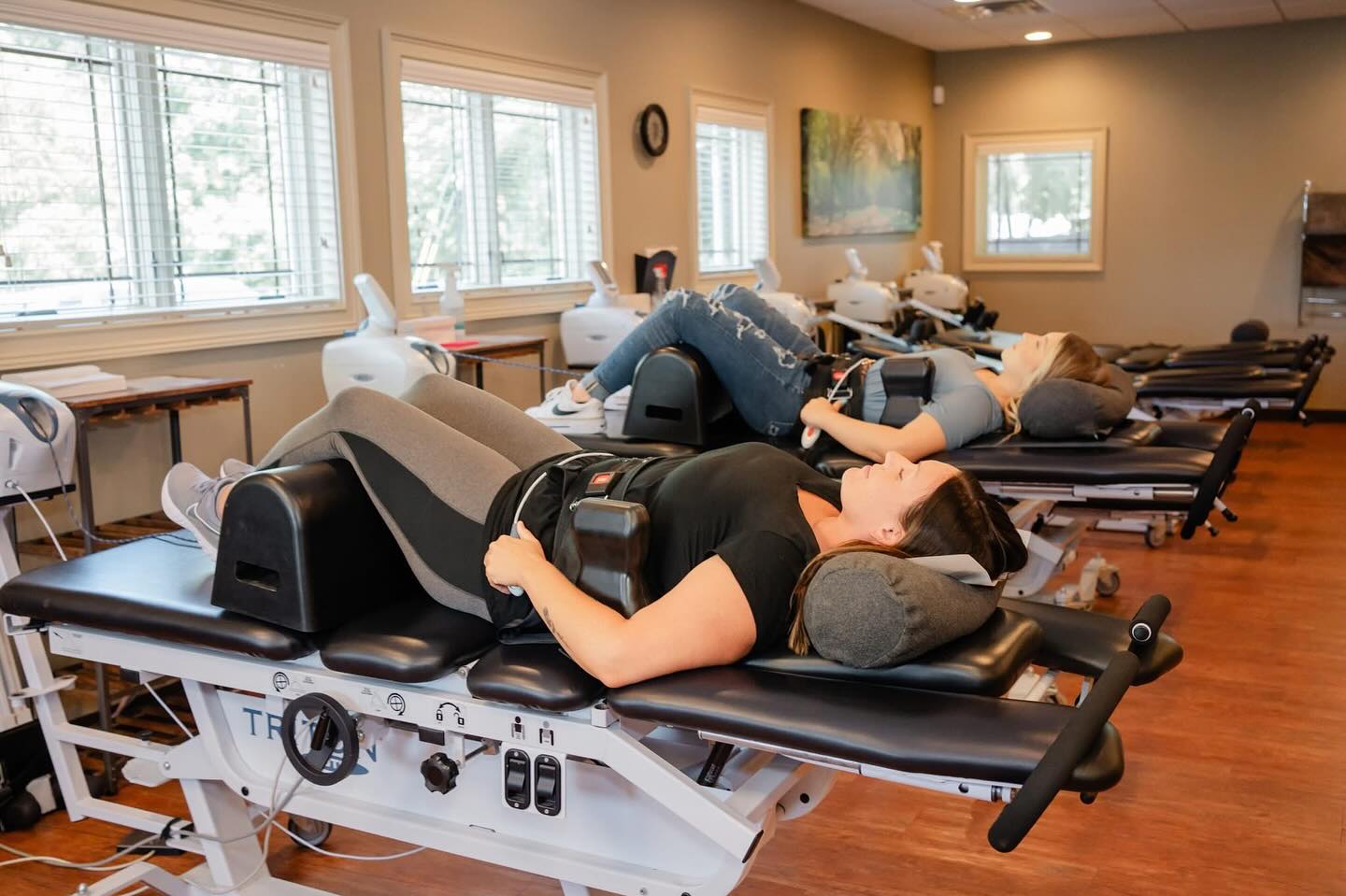
The goal is to create space between the vertebrae. That space can ease pressure on a disc that is bulging or herniated. It can also reduce irritation on nearby nerves. Many patients come to us after other conservative treatments have not given them lasting results.
Your spine is a stack of bones with soft, cushioning discs between them. When a disc is compressed, damaged, or worn down, it can press on nerves and cause pain. That pain may stay in your back or travel into your hips and legs.
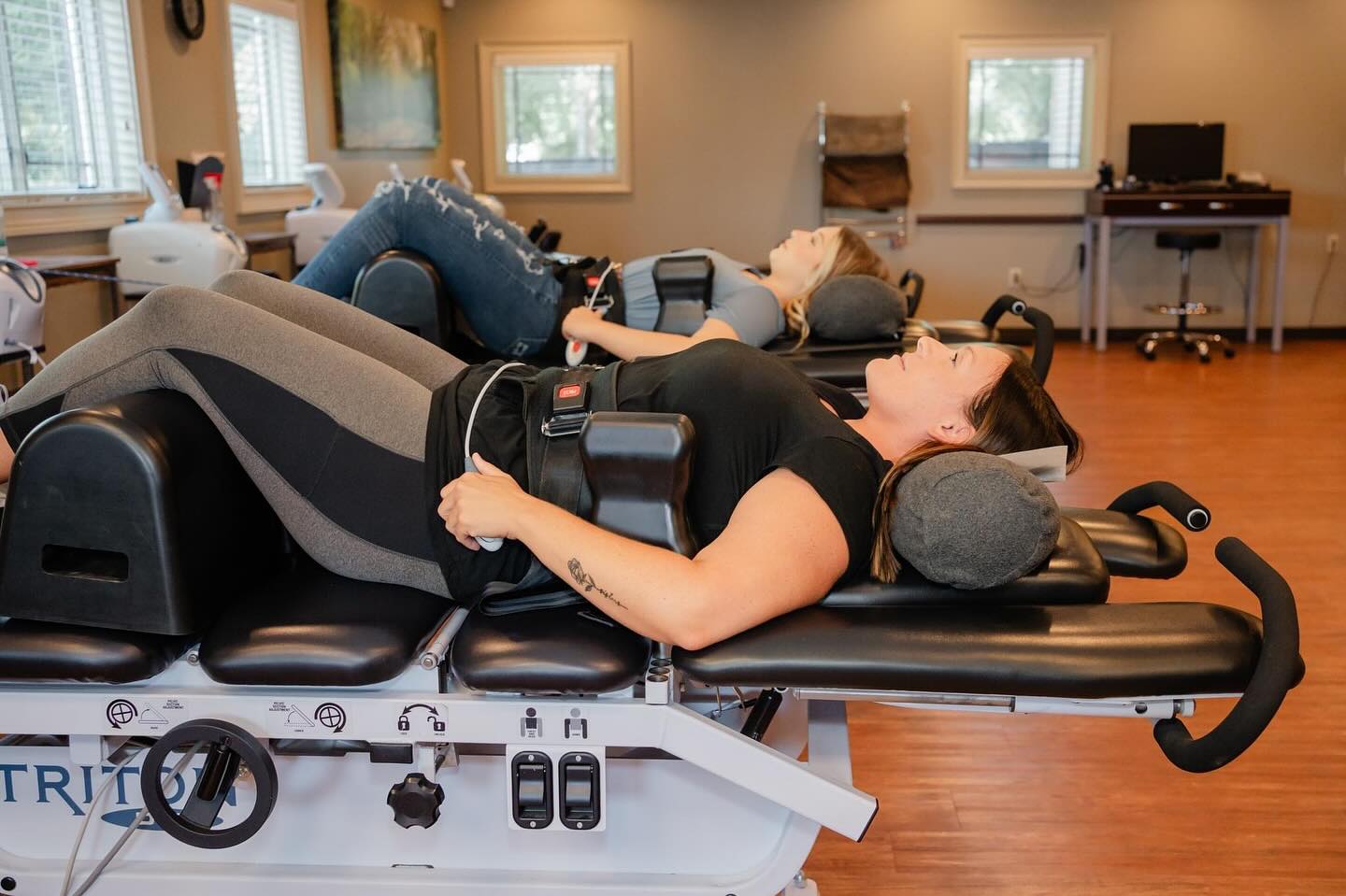
Computerized spinal decompression applies a slow, controlled pulling force to the spine. A computer adjusts the force and timing throughout the session. This matters because your muscles tend to tighten when they feel a sudden stretch. A gradual, measured force helps the muscles stay relaxed so the stretch can reach the discs.
As space opens between the vertebrae, pressure inside the disc can drop. This shift may help draw the soft inner disc material back toward the center. It may also help water, oxygen, and nutrients move into the disc to support recovery.
Because the system is computerized, we can set the treatment for a specific area of the spine and change the settings as your body responds over time.
We use spinal decompression for several disc and nerve conditions, including:
Herniated disc and bulging disc
Chronic low back pain
Each of these conditions can involve pressure on a disc or nerve. Spinal decompression is designed to address that pressure directly.
An inversion table is a padded platform that pivots on a frame. You strap your ankles in, lean back, and tilt so your head is lower than your feet. Most people buy one for home use.
The purpose is to use your own body weight and gravity to stretch the spine. Many people use inversion tables to try to ease back tension or general stiffness.
When you stand or sit, gravity pulls your body weight down onto your spine. An inversion table flips that pull. When you tilt backward, gravity pulls your upper body away from your lower body. This creates a stretch along the length of the spine.
The amount of stretch depends on the angle you choose and your body weight. There is no computer adjusting the force. The table also cannot focus on one disc or one level of the spine. The whole spine stretches at once, along with the hips, knees, and ankles that hold your weight.
People commonly use inversion tables for:
General back stiffness after a long day
Mild muscle tension in the back
A short stretch as part of a home routine
Some people find that inversion feels relaxing. For general tightness, it may offer short-term comfort. It is less suited to disc problems that need a targeted approach.
Both options try to create space in the spine. The difference is how they do it.

Computerized spinal decompression uses a controlled, measured force. The computer changes the pull during the session to help the muscles stay relaxed. The treatment can be aimed at a specific part of the spine.
An inversion table relies on gravity and body weight. The force stays fairly steady at a given angle. When the stretch feels strong, the back muscles may tighten to guard the spine. That guarding can limit how much space actually opens between the vertebrae.
For general muscle stiffness, an inversion table may feel helpful for a short time. Once you return upright, gravity loads the spine again.
Disc conditions are different. A herniated disc, a bulging disc, or degenerative disc disease involves a specific disc at a specific level. Sciatica and stenosis involve pressure on specific nerves. These problems often need a targeted and repeated approach to see real change.
Computerized spinal decompression is built for that purpose. It is delivered as a series of sessions in a structured plan. We track how you respond and adjust treatment along the way. An inversion table offers no way to measure progress or target the problem area. Before treatment, we complete an exam and can take onsite digital x-rays. This helps us understand what is happening in your spine and whether decompression is a good fit.
Inversion tables carry concerns that many people do not think about. Hanging upside down raises pressure in the head and eyes. It can also strain the ankles, knees, and hips that bear your weight. People with high blood pressure, heart conditions, eye conditions, or joint problems should not use one without guidance from a health professional. Getting in and out of the table can also be difficult for someone in significant pain.
Another concern is self-diagnosis. Back pain has many causes. Using a home device without an exam can delay care for a problem that needs attention.
An inversion table is easy to access. You can buy one and use it at home whenever you like. That convenience is the main reason people try one.
The tradeoff is that no one is guiding the process. There is no exam, no imaging, and no one adjusting the approach as your symptoms change.
Computerized spinal decompression requires visits to our office. In return, you get a plan built around your diagnosis, monitored sessions, and a chiropractor who can change course when needed. Many of our patients live in surrounding communities and are used to traveling for care. They tell us that a guided plan is worth the trip.
Our team has more than 30 years of experience and has served more than 50,000 patients. Over that time, we have seen many patients who tried an inversion table at home before coming to see us. Some felt brief relief. Many found that the pain returned once they stood up and went back to their day.
Our chiropractors, Jason McRae, D.C., and James Bodkin, D.C., are both board certified. They focus on correcting the underlying cause of pain rather than covering up symptoms. For disc problems, that usually means a treatment plan that targets the disc itself.
That is why we combine treatments in our Three-Part Treatment System:
Chiropractic care to restore proper spinal function and movement
Computerized spinal decompression to relieve pressure on discs and nerves
Deep tissue laser therapy using our 40-watt deep tissue laser to reduce inflammation and support healing
Using these together lets us address pain from more than one angle. Depending on your needs, your plan may also include intersegmental traction or electro-muscle stimulation. We have found this combined approach helps many patients get faster relief and better long-term results than a single treatment alone.
Here is how we generally think through the choice. Spinal Decompression vs Inversion Table: A Chiropractor’s View comes down to matching the tool to the problem.
Mild back stiffness with no nerve symptoms. An inversion table may offer short-term comfort for some healthy adults. Talk with a health professional first if you have any medical conditions.
Herniated or bulging disc. Computerized spinal decompression is the stronger choice. It can target the affected disc and is adjusted as you progress.
Degenerative disc disease. Worn discs benefit from a structured plan that supports disc health over time. Spinal decompression, combined with chiropractic care and laser therapy, can address both pressure and inflammation.
Sciatica or leg pain. Pain, numbness, or tingling that travels down a leg points to nerve pressure. This calls for an exam to find the source. An inversion table cannot target a pinched nerve.
Spinal stenosis. Narrowing of the spinal canal needs careful evaluation. Our chiropractors can review imaging and decide whether decompression fits your situation.
High blood pressure, heart, eye, or joint conditions. Inversion may not be safe for you. A supervised option is a better place to start.
Home remedies have limits. It is time to see a chiropractor if you notice any of the following:
Back pain that lasts more than a few weeks
Pain that travels into your hips, buttocks, or legs
Numbness, tingling, or weakness in your legs or feet
Pain that wakes you up at night or worsens over time
Relief from an inversion table that fades quickly
A past diagnosis of a herniated disc, degenerative disc, or stenosis
During an evaluation, our chiropractors review your history, examine your spine, and can take onsite digital x-rays. They then explain what is causing your pain and which treatments fit your goals. You leave with a clear plan rather than guesswork.
Our team speaks English and Spanish, and we see patients of all ages. You can learn more about the conditions we treat on our conditions page.
Spinal decompression and inversion tables both stretch the spine, but they are built for different needs. An inversion table may ease general stiffness for some healthy adults. Computerized spinal decompression offers a controlled, targeted approach for herniated discs, bulging discs, degenerative disc disease, sciatica, and stenosis. At Pray Chiropractic, we pair decompression with chiropractic care and deep tissue laser therapy to address the cause of pain and help patients return to the activities they enjoy.