New Patient Special Offer | Free Evaluation
Deep tissue laser therapy offers people with peripheral neuropathy a drug-free way to reduce burning, tingling, and numbness. It works by sending focused light energy into the tissues to calm inflammation, improve circulation, and support the body’s own repair process. At Pray Chiropractic in Ringgold, we use a 40-watt deep tissue laser as part of a broader plan that targets the source of nerve pain rather than only masking it. This guide, Beyond Pain Pills: Deep Tissue Laser Therapy for Neuropathy, explains how the treatment works, who it suits, and what patients can expect.
Neuropathy is more than an occasional tingle in the toes. For many patients, it is a daily problem that affects sleep, balance, and independence. Understanding the condition is the first step toward choosing the right care.
Peripheral neuropathy is damage or dysfunction in the nerves outside the brain and spinal cord. These peripheral nerves carry signals between the central nervous system and the rest of the body. They control feeling, movement, and some automatic functions.
When these nerves are injured, the signals they send become scrambled. A nerve may send pain signals when nothing is wrong. It may also fail to send signals at all, which leads to numbness. Most cases start in the feet and hands, since those nerves are the longest and the most exposed to wear.
You can read more about how we approach this condition on our peripheral neuropathy.
Neuropathy symptoms vary from person to person. The most common include:
Burning or stabbing pain in the feet, legs, or hands
Tingling that feels like “pins and needles”
Numbness or reduced ability to feel temperature and touch
Sharp sensitivity to light touch, such as bedsheets on the feet
Muscle weakness or cramping
Poor balance and trouble walking
The causes are just as varied. Diabetes is one of the frequent sources of nerve damage. Other causes include injuries, pressure on nerves from spinal problems, vitamin deficiencies, alcohol use, certain medications, infections, and autoimmune conditions. In some patients, no clear cause is ever found.
Spinal conditions deserve special attention. Problems such as a herniated disc or spinal stenosis can compress nerve roots. That pressure can create numbness and pain that travel into the arms or legs. Identifying this kind of contributing factor changes how we build a treatment plan.
Neuropathy touches nearly every part of a person’s day. Burning feet can make it hard to fall asleep. Weak or tingling hands can make simple tasks, such as buttoning a shirt or holding a coffee cup, frustrating.
Over time, many patients start avoiding activities they enjoy. They walk less, garden less, and spend less time with family. Reduced activity can lead to stiffness and weight gain, which may make symptoms worse. Breaking this cycle is a key goal of care.
Most people with neuropathy first try medication. Common options include prescription nerve pain drugs, certain antidepressants that change how the brain processes pain, anti-inflammatory drugs, and topical creams. In some cases, stronger pain relievers are prescribed.
These treatments can play a role, especially in managing an underlying disease. Keeping blood sugar under control, for example, is essential for patients with diabetic neuropathy. Still, many patients find that medication alone does not deliver the relief they hoped for.
Pain pills are designed to change how the body feels pain. They do not repair damaged nerves or improve blood flow to the tissues. When a dose wears off, the symptoms often return.
Medications can also bring side effects. Patients commonly report drowsiness, dizziness, brain fog, weight gain, or stomach upset. Some of these effects, such as dizziness, can make balance problems worse in people who already struggle to feel their feet. Some drugs lose effectiveness over time, which can lead to higher doses.
For these reasons, many patients look for options that work alongside or in place of daily pills. Our Pain Management approach focuses on drug-free methods that aim to correct the cause of discomfort rather than only dulling it.
Laser therapy uses light to influence how cells behave. It is non-invasive, involves no needles or incisions, and requires no downtime. Patients typically return to their normal day right after a session.
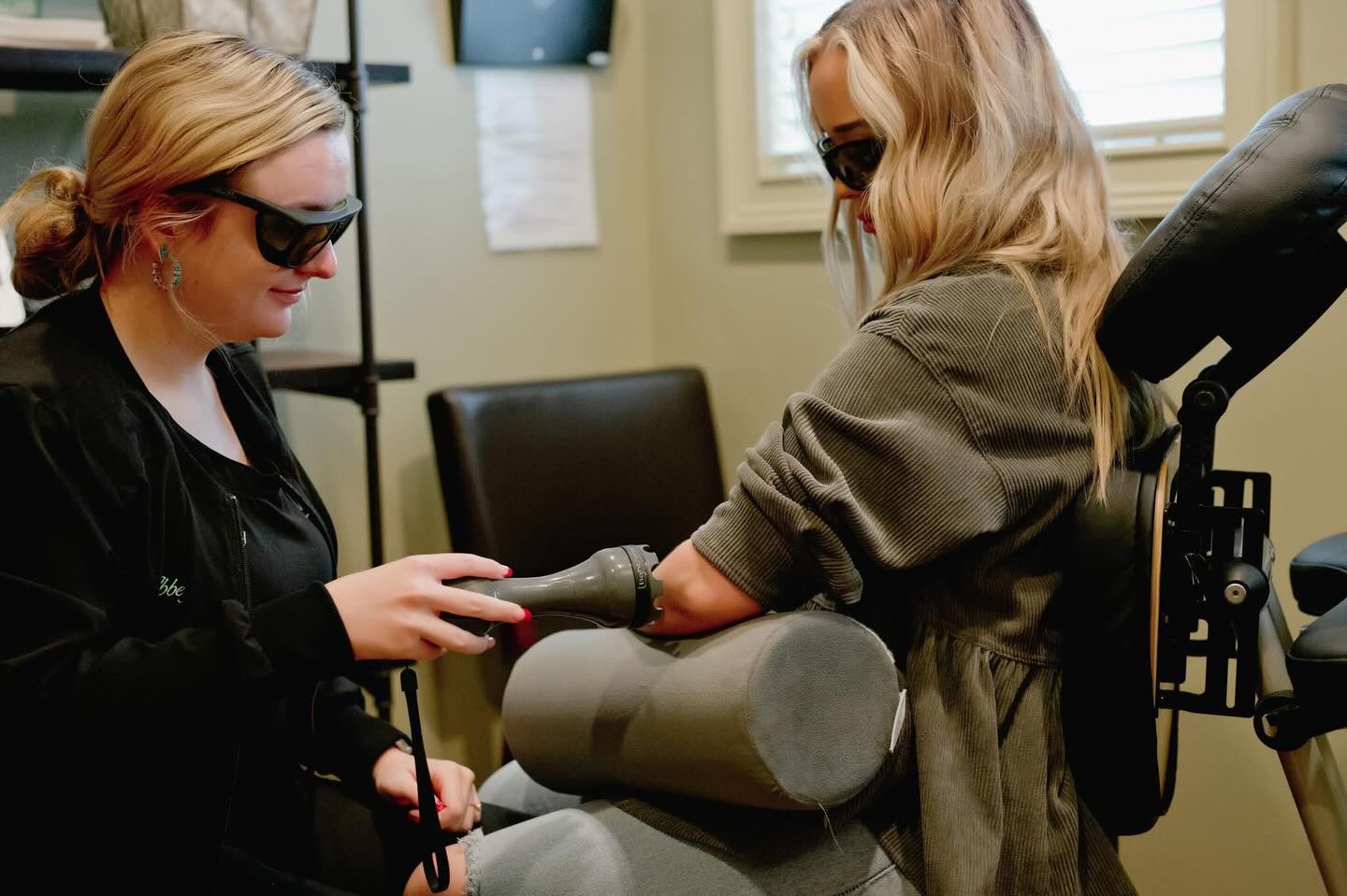
Deep tissue laser therapy uses concentrated light at specific wavelengths to reach muscles, joints, and nerves below the skin. The light is absorbed by cells, where it triggers a series of natural responses that support healing.
People sometimes hear the term “cold laser” used for this kind of treatment. Cold lasers are low-power devices that do not create noticeable heat. A deep tissue laser delivers higher power, which allows the light to reach deeper structures in less time. Patients often describe a soothing warmth during treatment.
Our office uses a 40-watt deep tissue laser. Its power allows our team to treat larger areas, such as both feet and lower legs, and to reach tissues that sit deeper in the body.
When laser light reaches the cells, it is absorbed by the mitochondria. These are the parts of the cell that produce energy. With more energy available, cells can carry out repair work more efficiently.
Laser therapy supports nerve health in several ways:
Reducing inflammation. Calming swelling around nerves can ease pressure and irritation.
Improving circulation. Better blood flow brings oxygen and nutrients to struggling nerve tissue.
Quieting pain signals. Laser energy can help settle overactive nerves that send pain signals without cause.
Supporting tissue repair. Energized cells can work more effectively to restore damaged tissue.
Because laser therapy works with the body’s own processes, it addresses the environment around the nerves rather than only changing how pain feels.
Patients researching laser care often come across different names and systems. Two terms appear often: MLS laser therapy and bio-modulation laser therapy. Understanding these terms can help patients make sense of what they read and ask informed questions.
MLS stands for Multiwave Locked System. It is one specific type of therapeutic laser technology that patients may see discussed online.
MLS systems combine two kinds of light emission. One is continuous, which is generally associated with reducing swelling. The other is pulsed, which is generally associated with easing pain. The two wavelengths are synchronized so they work together during a single treatment.
The goal is to address inflammation and pain at the same time. Like other therapeutic lasers, MLS devices rely on light energy being absorbed by cells to support their natural repair processes.
Patients who look into MLS therapy usually seek the same benefits common to therapeutic lasers in general:
No needles, incisions, or medication
No downtime after sessions
A comfortable experience for most patients
Relief for both pain and swelling
These benefits are shared by many forms of deep tissue laser treatment. The specific device matters less than how well the treatment fits the patient’s condition and overall plan.
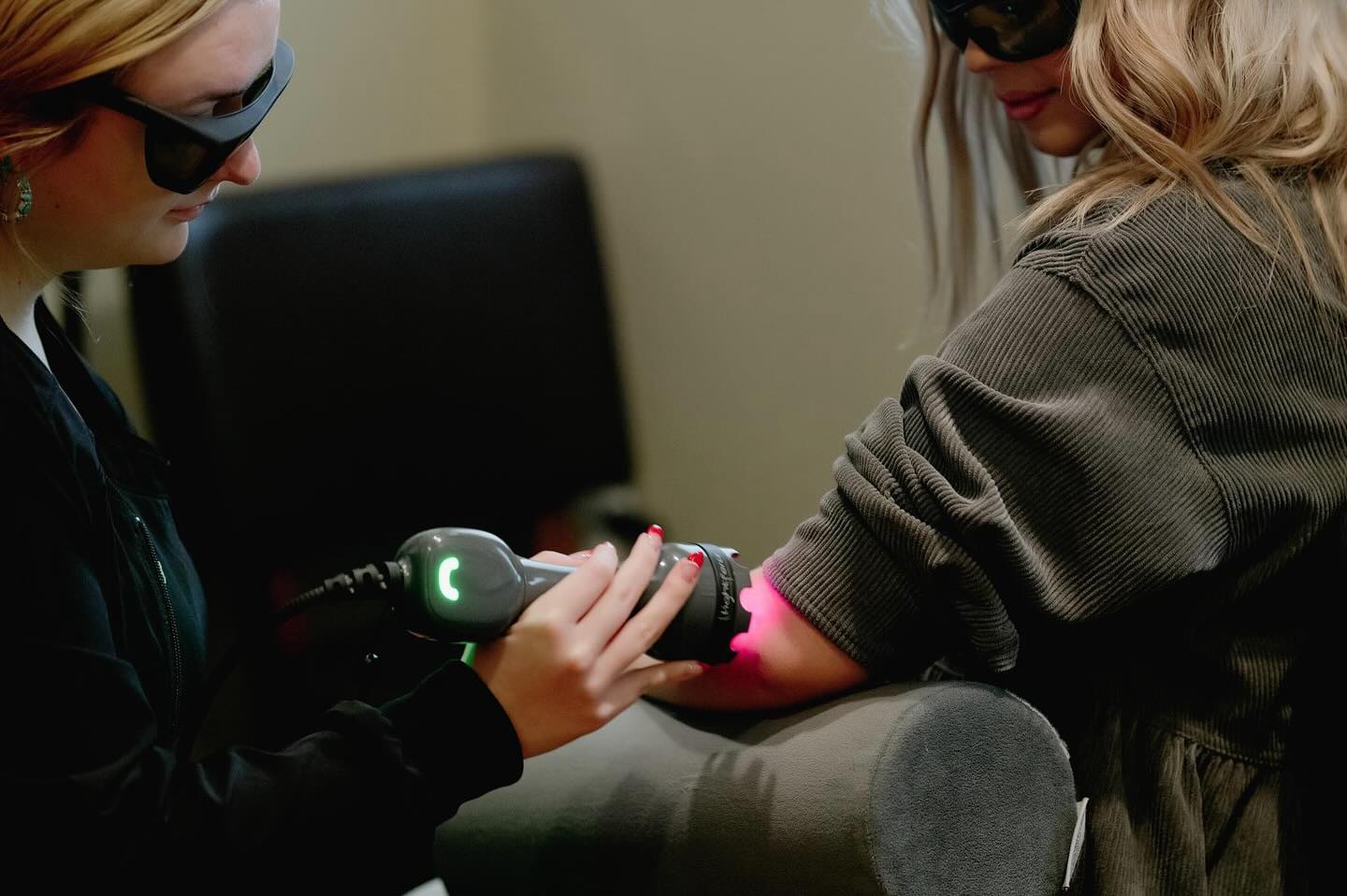
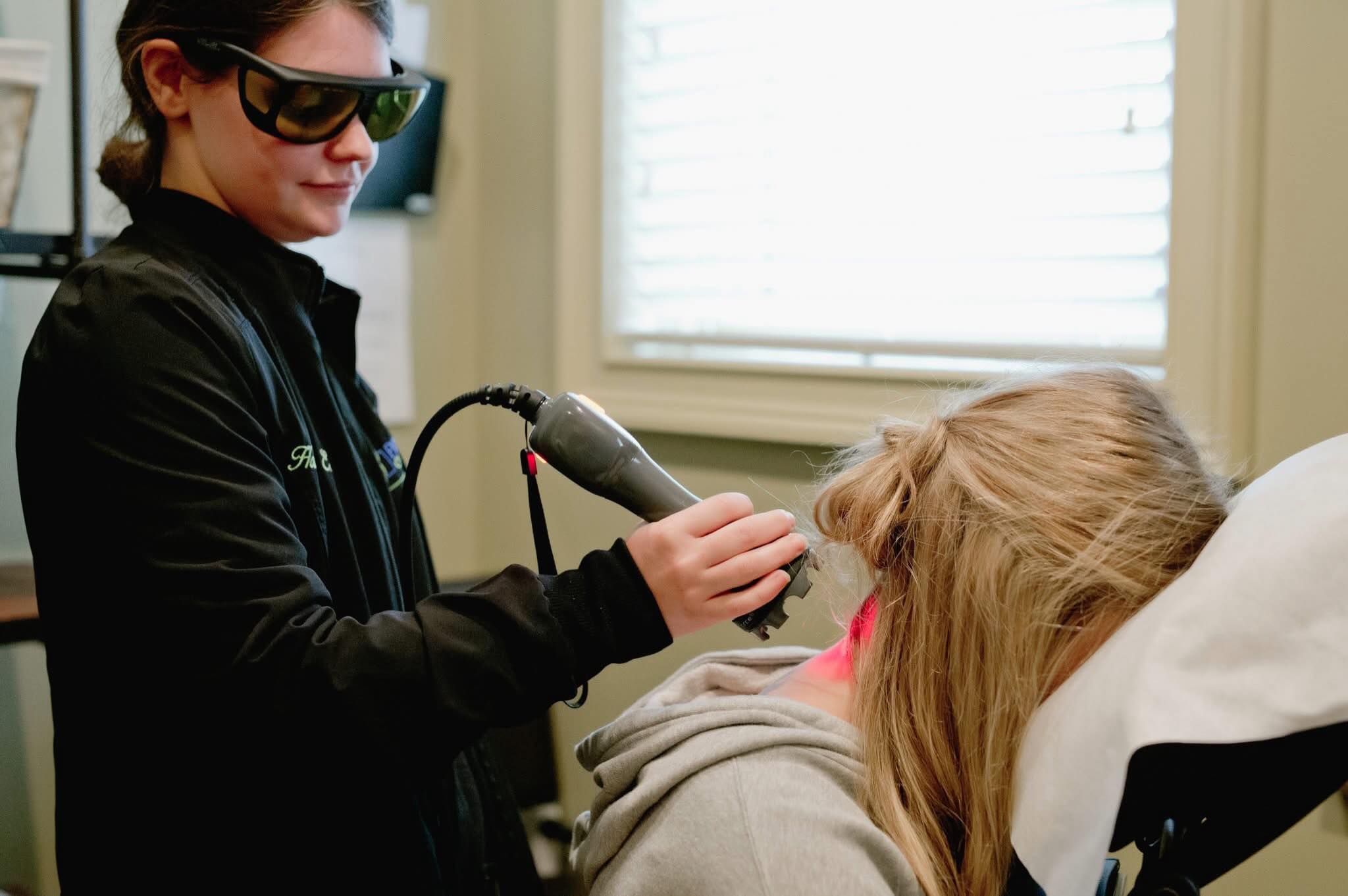
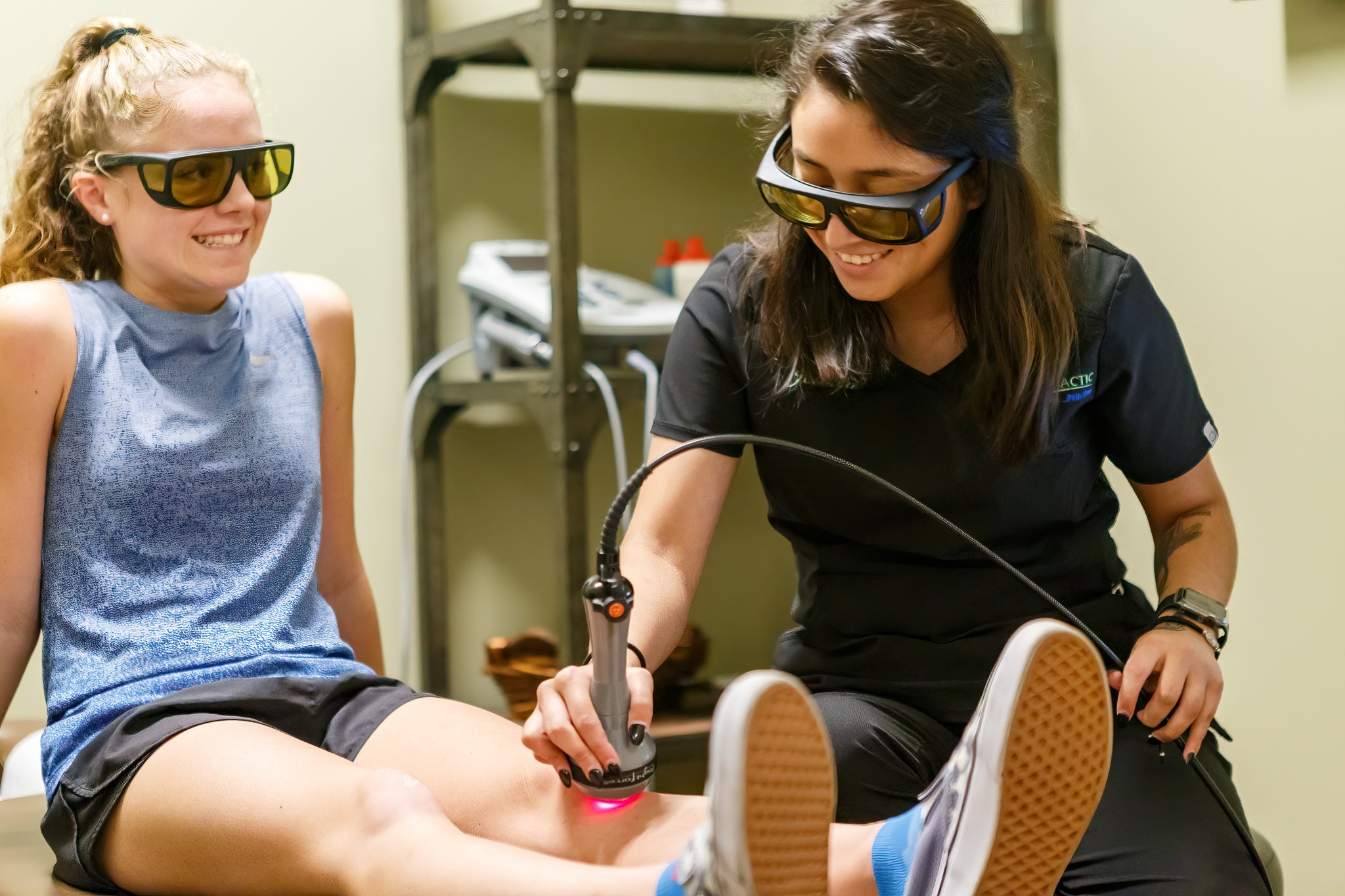
From a patient’s point of view, laser sessions tend to feel similar regardless of the device. The patient sits or lies comfortably while the treatment area is exposed. Protective eyewear is worn. A handpiece is moved over the area, and most patients feel a gentle warmth or nothing at all.
Sessions are relatively quick, and patients can drive themselves home and return to work or daily activities afterward.
Compared with medication, laser therapy of any kind avoids drug side effects and works on the tissue itself. Compared with injections, it involves no needles. Compared with surgery, it carries no recovery period.
MLS is one option among several laser technologies. Our team uses a 40-watt deep tissue laser, which delivers a high level of power to reach deep tissues efficiently. When patients ask about specific brands or systems, we explain how our laser works and how it fits into their care.
Bio-modulation, often called photobiomodulation, describes the biological process behind therapeutic lasers. The term refers to how light changes, or “modulates,” cell activity.
When light at the right wavelength enters tissue, cells absorb it. This absorption helps the mitochondria produce more ATP, the molecule cells use for energy. Increased energy allows cells to repair themselves, reduce inflammatory signals, and function more normally.
Bio-modulation also encourages the release of substances that widen blood vessels. Wider vessels mean better circulation, which matters greatly for nerves that have been starved of blood flow. This is especially relevant for patients with diabetes, whose small blood vessels are often affected.
For people living with nerve pain, bio-modulation can offer:
Reduced burning, tingling, and stabbing sensations
Improved feeling in the feet and hands over time
Better circulation to the extremities
Less reliance on pain medication for some patients
Results vary depending on how long a patient has had symptoms, the cause of the nerve damage, and overall health.
Many patients with neuropathy may be candidates. This includes people with diabetic neuropathy, nerve symptoms linked to spinal problems, nerve irritation after an injury, and neuropathy with no known cause. It may also help patients who have not found enough relief from medications or who want to avoid side effects.
An evaluation helps determine whether a patient’s symptoms are likely to respond well.
Bio-modulation is not a separate device so much as the effect that therapeutic lasers produce. Low-power cold lasers and higher-power deep tissue lasers both rely on it. The main difference is how much energy reaches the tissue and how deep it travels.
Higher-power lasers, such as our 40-watt system, can deliver energy to deeper structures more quickly. This makes them well suited for treating larger areas, such as both legs, in a practical amount of time.
The message of Beyond Pain Pills: Deep Tissue Laser Therapy for Neuropathy is simple. Light-based treatment gives patients a way to work on nerve health directly, without adding another daily pill.
Many patients notice a change in their symptoms over the course of treatment. Burning may ease. Tingling may become less frequent. Sensitivity to touch may calm down, allowing patients to sleep more comfortably.
Because laser therapy reduces inflammation around the nerves, relief can extend beyond the treatment session itself. Patients often report that their good days become more frequent as care continues.
Pain relief is only part of the picture. Laser therapy also aims to improve the conditions nerves need to heal. Better blood flow delivers oxygen and nutrients. Increased cellular energy supports repair.
As nerve function improves, some patients find they can feel the floor better under their feet. That can lead to steadier walking and more confidence moving around. Results depend on how much nerve damage is present, so we set realistic expectations during each evaluation.
Neuropathy rarely exists alone. Many patients also live with arthritis, back pain, or joint problems. Deep tissue laser therapy is commonly used for neuropathy, arthritis, sports injuries, soft tissue injuries, and chronic pain conditions. This means a single treatment can often address more than one source of discomfort.
At Pray Chiropractic, laser therapy is one part of our Three-Part Treatment System. This system combines Chiropractic Care, computerized Spinal Decompression, and deep tissue laser therapy. When nerve symptoms are linked to the spine, addressing spinal alignment and disc pressure alongside laser treatment helps us approach pain from multiple angles. Depending on the patient, a structured program may also include intersegmental traction or Electro-Muscle Stimulation.
Patients deserve clear information about how well a treatment works and whether it is safe for them.
Interest in photobiomodulation has grown steadily, and research continues into its effects on pain, inflammation, and tissue healing. Studies on nerve pain have explored improvements in symptoms, sensation, and circulation.
Results across research and in practice are not the same for everyone. Some patients respond quickly, while others need more time. Factors such as the cause of neuropathy, how long it has been present, and overall health all play a role. Our team tracks each patient’s progress through regular re-evaluations and adjusts the plan as needed.
Experience also matters. With over 30 years of experience and more than 50,000 patients served, our office has seen how laser therapy fits into care for many different conditions.
Deep tissue laser therapy is non-invasive and well tolerated by most patients. Side effects are uncommon and usually mild, such as temporary warmth or redness in the treated area.
There are situations where laser therapy is not appropriate or needs extra care:
Treatment directly over the eyes is avoided, and protective eyewear is always worn.
Laser is not applied over a pregnant abdomen.
Areas with known or suspected cancer are not treated.
Patients taking medications that increase light sensitivity should share this information.
Areas with reduced sensation are monitored closely, since patients may not feel heat as easily.
That last point is especially important for neuropathy patients. Our team adjusts settings and watches skin response carefully when treating feet or hands with reduced feeling. Every patient receives a full evaluation before treatment begins.
Knowing what treatment feels like can ease any worry about starting care.
Laser treatment begins only after an evaluation. Our team reviews symptoms, medical history, and the likely sources of nerve pain. Onsite digital X-rays help us check for spinal problems that may be contributing to symptoms in the arms or legs.
During a session, the patient rests comfortably while the laser handpiece is moved over the treatment area. Most patients feel a soothing warmth. There are no needles and no medication. Because there is no downtime, patients can return to work, errands, or family time right afterward.
When laser therapy is combined with other parts of our system, such as an adjustment or spinal decompression, these may take place during the same visit.
Laser therapy works as a series of sessions rather than a single visit. The effects build as cells receive repeated energy and tissues have time to respond.
The number of sessions depends on each patient’s condition. Someone with recent, mild symptoms may need fewer visits than someone who has lived with neuropathy for years. Our team outlines a recommended plan after the evaluation and checks progress at set points along the way. Once symptoms improve, some patients choose periodic maintenance laser sessions to help keep their results.
Not every patient needs the same care. A careful evaluation helps match each person with the treatments most likely to help.
Deep tissue laser therapy may be a good fit for people who:
Have burning, tingling, or numbness in the feet, legs, or hands
Live with diabetic neuropathy or neuropathy of unknown cause
Have nerve symptoms linked to spinal conditions such as sciatica
Have nerve irritation in the hands, such as with carpal tunnel syndrome
Want to reduce their reliance on pain medication
Prefer a non-invasive option with no downtime
We treat patients of all ages, and our team serves patients in both English and Spanish.
Patients often consider laser therapy when medications are not controlling their symptoms well enough. Others turn to it because side effects such as drowsiness or dizziness are affecting their quality of life. Some simply want to try a drug-free approach before adding more prescriptions.
Earlier care tends to be more effective. Nerves that have been damaged for a shorter time may respond more readily. Anyone noticing new numbness, tingling, or burning should seek an evaluation rather than waiting for symptoms to spread.
Laser therapy can complement care from a patient’s medical doctor. Managing underlying conditions, such as blood sugar in diabetes, remains important. Dr. Jason McRae and Dr. James Bodkin, both board certified chiropractors, evaluate each patient and explain how laser therapy and our other services may fit their needs.
Neuropathy can affect sleep, balance, and daily life, and pain pills alone often fall short. Deep tissue laser therapy offers a non-invasive, drug-free option that works to reduce inflammation, improve circulation, and support nerve healing. At Pray Chiropractic, our 40-watt deep tissue laser is part of a Three-Part Treatment System that also includes chiropractic care and spinal decompression. As Beyond Pain Pills: Deep Tissue Laser Therapy for Neuropathy shows, patients have more options than another prescription, and a personalized evaluation is the first step toward finding the right one.